Revolutionary non-invasive brain-computer interface designed like premium headphones
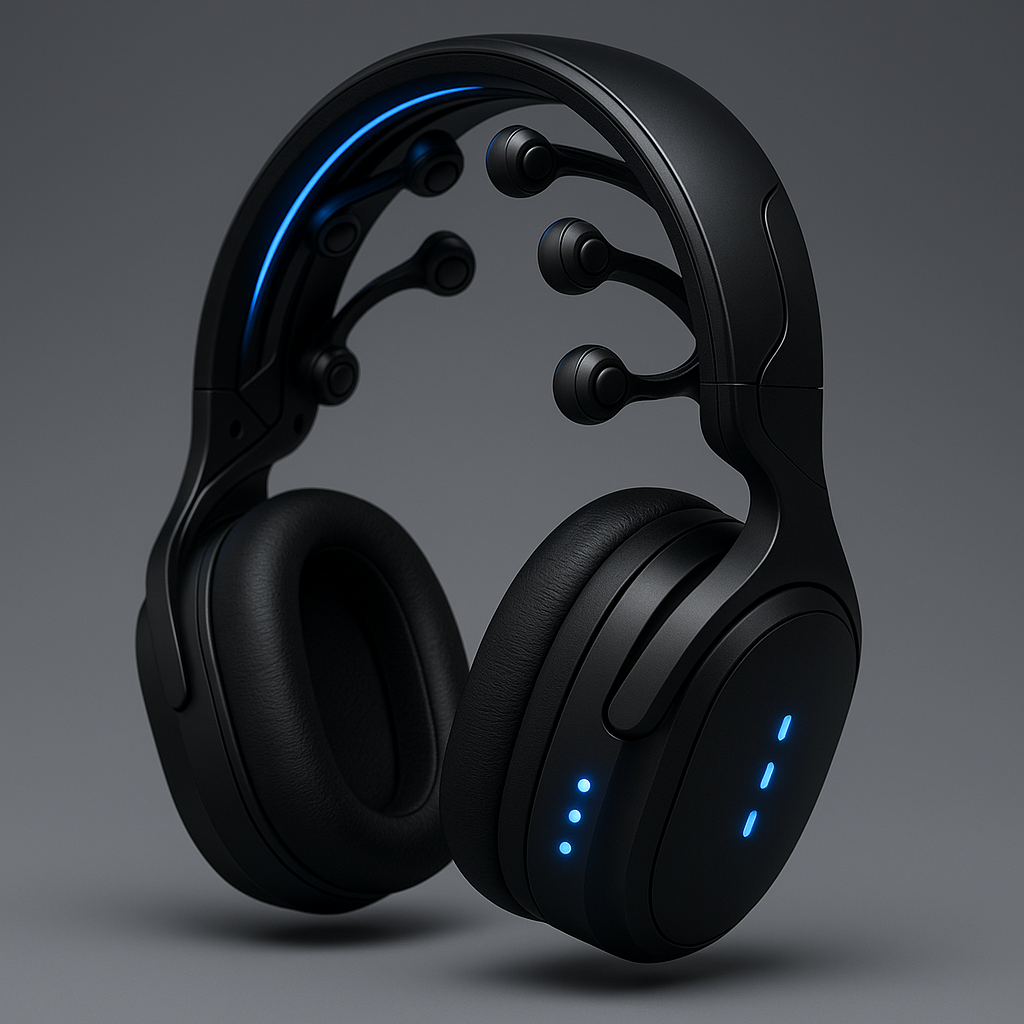
The BrainFlow Headphones represent a breakthrough in non-invasive brain-computer interface technology. Designed to look and feel like premium headphones, this revolutionary device enables users to control smartphones, computers, and smart home devices using only their thoughts.
Unlike traditional interfaces that require keyboards, touchscreens, or voice commands, our BCI headphones read neural signals directly from your brain through advanced EEG sensors, providing an intuitive, hands-free experience that could transform accessibility and human-computer interaction.
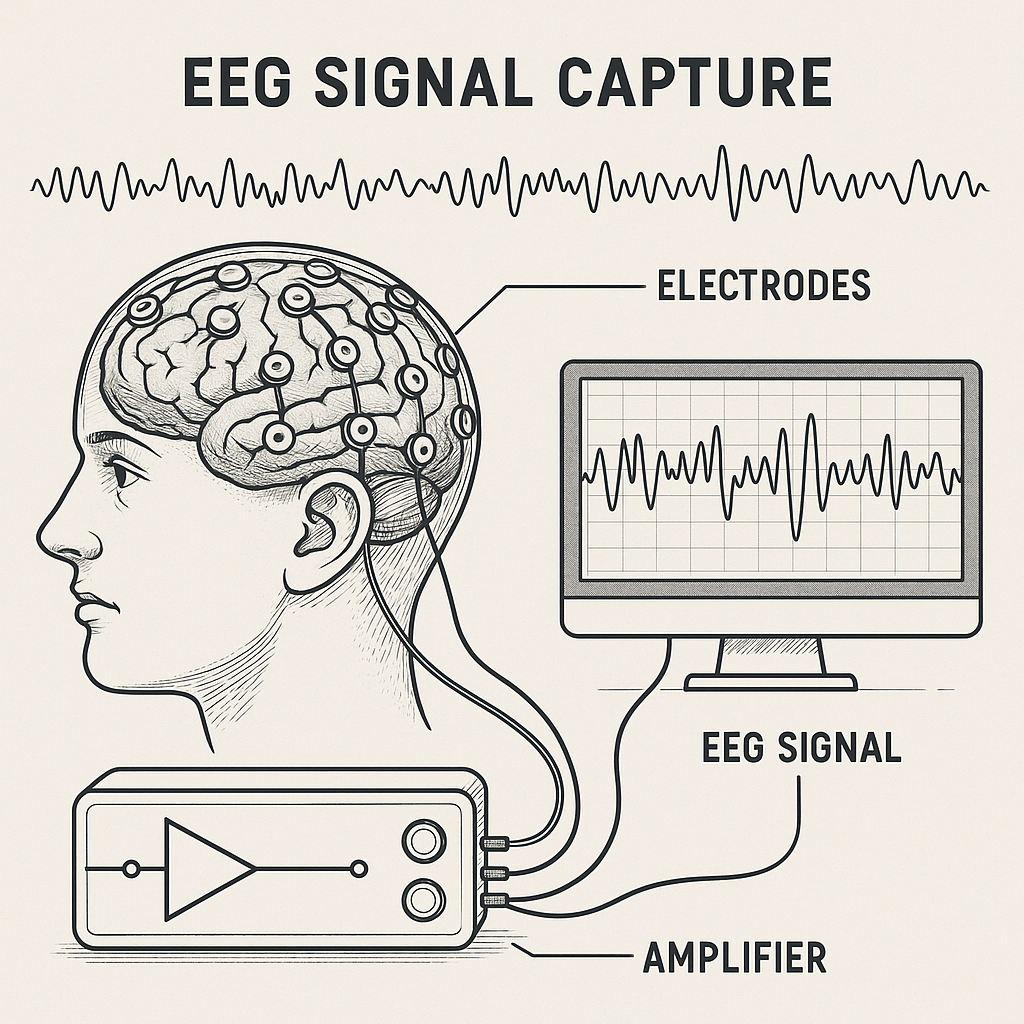
Electroencephalography (EEG) forms the foundation of non-invasive brain-computer interfaces. This technology captures electrical activity from the brain through sensors placed on the scalp, offering a safe alternative to invasive neural implants.
Recent advancements in high-resolution neural recording, machine learning algorithms, and signal processing have significantly improved the accuracy and usability of EEG-based BCIs, making consumer applications increasingly viable.
Compare our headphone-style BCI with other leading technologies
| Device | Price | Safety | Usability | Signal Quality | Applications |
|---|
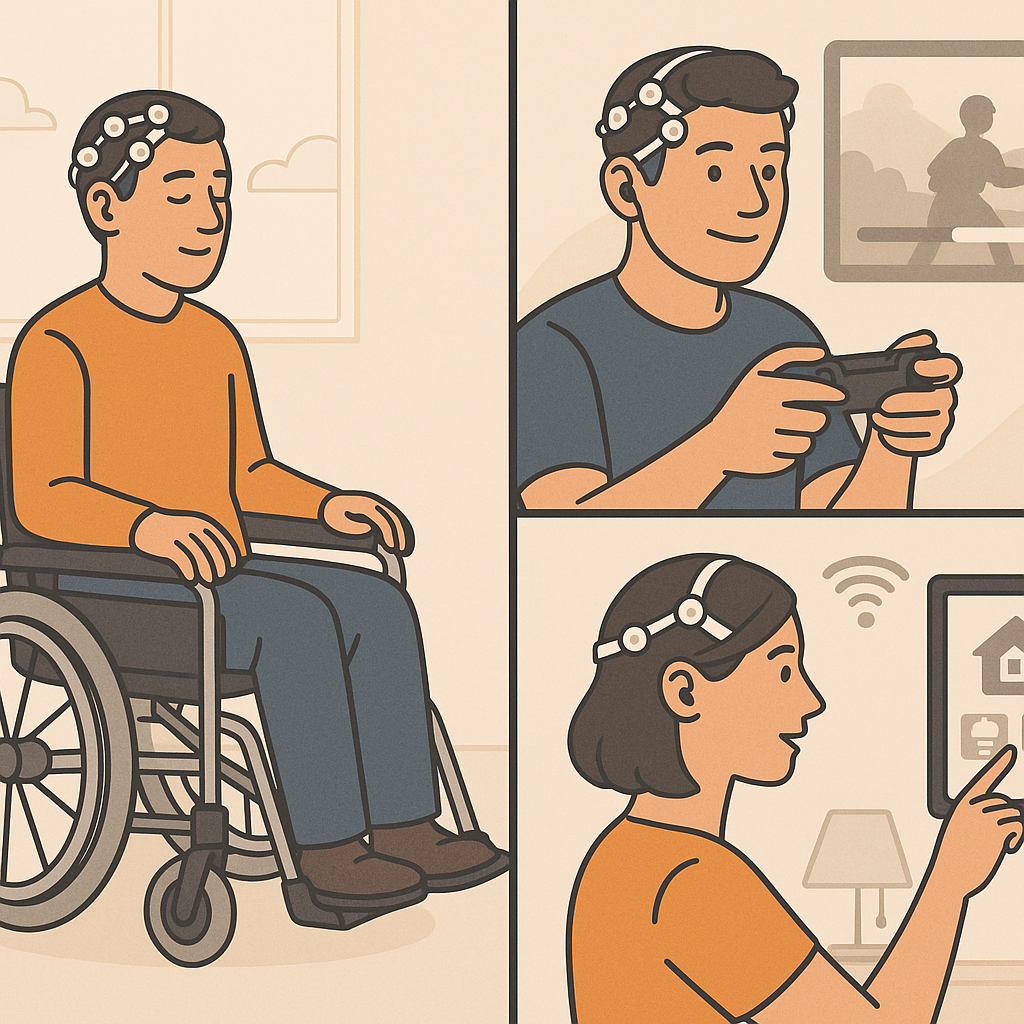
Transforming lives through thought-controlled technology
Assistive technology for individuals with disabilities
Immersive brain-controlled gaming experiences
Hands-free control of connected devices
Therapeutic and diagnostic applications
Low signal-to-noise ratio due to skull attenuation
Extensive calibration and adaptation required
Balancing functionality with comfort and aesthetics
Environmental noise and motion artifacts
Current Market Size (2025)
Projected Size (2034)
CAGR Growth Rate
Increasing demand for assistive technologies
Improved accuracy and reduced costs
Growing investment in neurological treatments
Rising awareness and acceptance
Access to thoughts and cognitive processes
Protection of sensitive neural information
Understanding implications of neural data sharing
Unequal access to cognitive enhancement
Do you trust thought-based devices with your data?
The future of brain-computer interfaces promises unprecedented integration between human cognition and digital technology. As neural signal processing improves and machine learning algorithms become more sophisticated, we anticipate revolutionary advances in accessibility, entertainment, and human augmentation.
Seamless thought control of virtual and augmented reality environments
Near-perfect signal interpretation through advanced AI algorithms
Consumer-friendly designs making BCI accessible to everyone
Revolutionary treatments for neurological conditions
First consumer BCI headphones launch
AR/VR BCI integration becomes standard
Medical BCI applications reach mainstream
Thought-controlled smart cities emerge